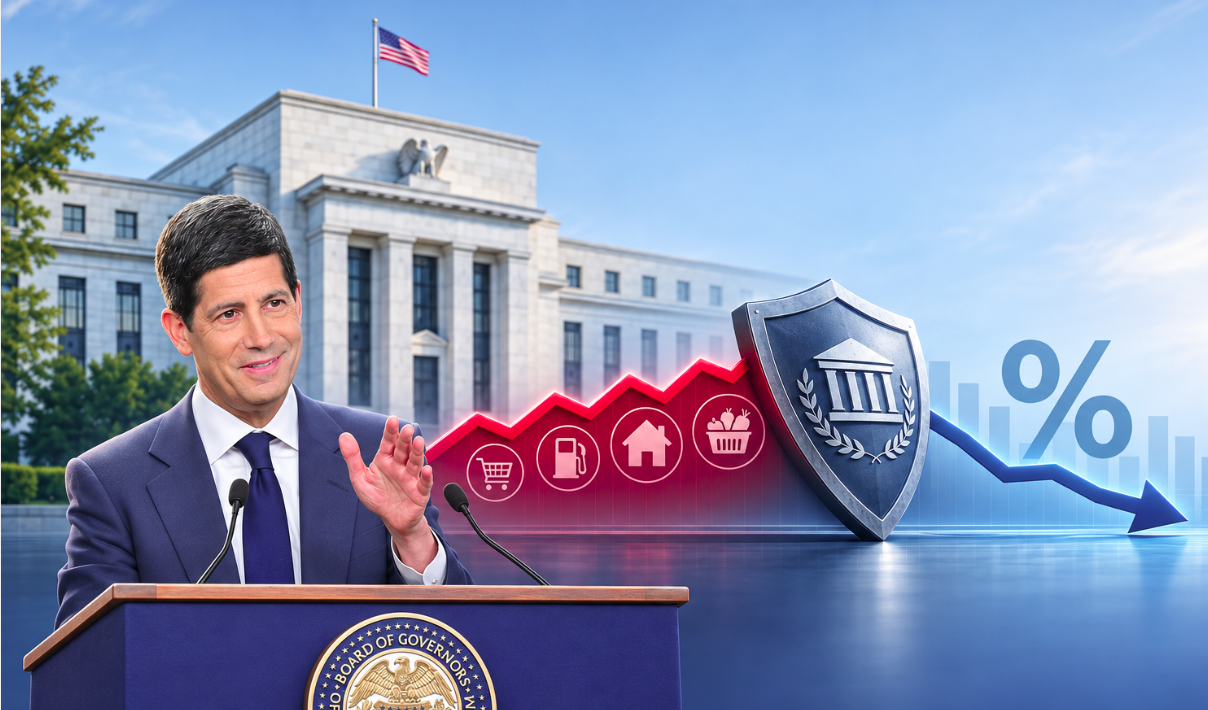
Strong Economy, Stubborn Inflation, And The Prospect Of More Rate Hikes
November 16, 2026
 By Samuel Richter, CFP®
Senior Securities Analyst
The latest inflation and employment reports strengthen the case for additional Federal Reserve tightening. Inflation came in hotter than expected, while labor market data continued to show resilient hiring and low unemployment. Together, these reports suggest the economy remains strong enough to withstand higher interest rates.
Let’s take a closer look at the inflation data. Price pressures remain stickier than investors had hoped. Headline consumer price index (CPI) inflation increased 0.4% in October, while core CPI, which excludes food and energy prices, rose 0.3%. Both readings came in above expectations and reinforced concerns that inflation progress may be stalling. Due to last year's government shutdown, the Bureau of Labor Statistics was unable to publish year-over-year inflation comparisons. However, economist estimates suggest annual headline inflation likely exceeded 4%, an increase from the prior month’s reading. While recent declines in gasoline and oil prices may provide some relief to headline inflation in the months ahead, the latest report highlighted challenges with returning inflation to the Federal Reserve's 2% target.
For Federal Reserve officials, the combination of strong employment and stubborn inflation leaves little room to signal an end to elevated rates. One of the Fed’s concerns is that a strong labor market can support continued consumer spending and wage growth, making it harder for inflation to cool. With economic activity holding up better than expected, Fed officials are likely to maintain a restrictive stance until they gain greater confidence inflation is moving sustainably toward their target.
Financial markets responded by pushing Treasury yields higher and increasing expectations for additional Fed action. Investors are now pricing in a 0.25% rate hike in December, with the possibility of a 0.50% increase. Markets are also expecting additional tightening in 2027, reflecting a growing belief that inflation proves persistent enough to keep interest rates higher for longer.
While the path forward will continue to depend on incoming economic data, the recent reports served as a reminder the Fed's inflation fight is not over. Solid economic growth remains supportive of corporate earnings and employment, but it also gives the Fed flexibility to keep monetary policy restrictive. As a result, investors will continue to adjust to the probability that additional rate hikes may be needed before inflation returns to the Federal Reserve's long-term target. Please reach out to your advisor. Your success matters.