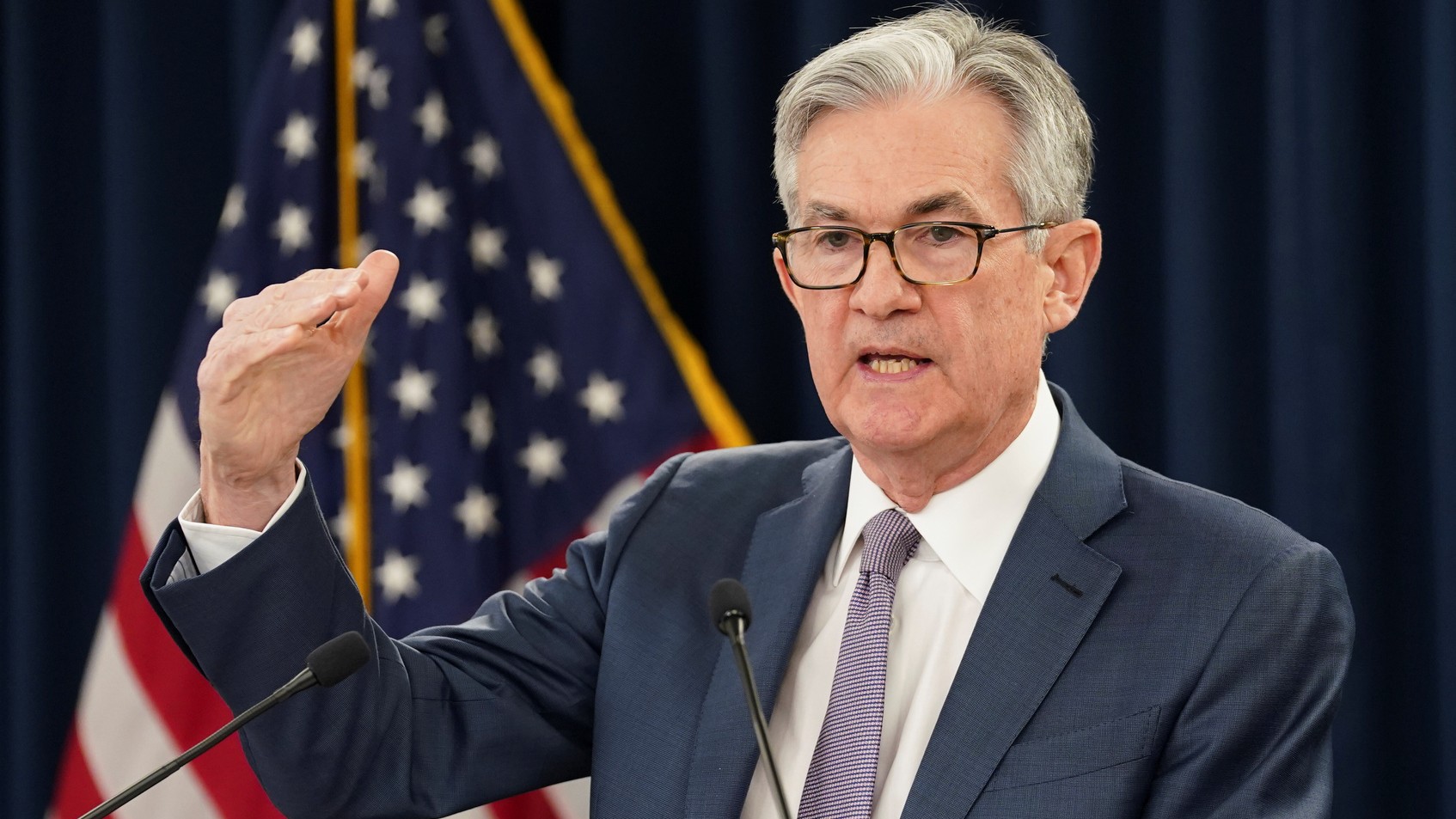
The End of the Powell Era
May 18, 2026
 By Krista Biernbaum, CFP®, CIMA®
Investment Management Officer
Friday marked the end of an era for Jerome Powell. Through his two consecutive four-year terms as Federal Reserve Chairman, he navigated monetary policy and the U.S. economy through unique and challenging times. Let’s look back at his tenure and legacy.
Powell's First Term
Jerome Powell was first nominated to become Federal Reserve Chairman in the fall of 2017 and officially took the helm in February 2018. He inherited an economy on its way to become the longest U.S. expansion in history, a bull market that became the longest on record, and inflation consistently below the Fed’s 2% objectives. Times were good indeed. His first challenge arrived when the first trade war with China started. This triggered the Fed to reverse course, i.e. the Powell Pivot, and cut rates in 2019.
More turbulence followed in March 2020 when Covid hit. Two emergency policy meetings ensued, slashing short term rates to essentially zero and starting a significant quantitative easing cycle to bring much-needed liquidity back to the financial system. The Fed’s balance sheet ballooned and interest rates hit an all-time low in August 2020. Remember the “V shaped” economic recovery? Once vaccines came onto the market and a few rounds of fiscal stimulus occurred, consumer spending took off and led to one of Powell’s key policy mistakes: “transitory” inflation became embedded.
Powell's Second Term
Powell began his second term in May 2022. A month later, inflation hit a 40-year high, prompting an aggressive tightening cycle. The Fed raised its overnight lending rate (the Fed Funds rate) from 0% to 5% within months, and both stocks and bonds posted double-digit losses in 2022. In 2023, after Silicon Valley Bank and other regional banks failed, the Fed introduced another policy tool to provide liquidity to banks. In September 2024, the Fed began an easing cycle that ran through December 2025. This year, Powell’s biggest challenges were persistent inflation and the now-dropped criminal charges.
Powell's Legacy
Powell will be remembered for several things, but I’ll focus on three. First, transparency and forward guidance. While Ben Bernanke began press conferences after policy meetings, Powell expanded them to every scheduled meeting. He emphasized clear communication, allowing markets to price in rate changes before they happened.
Second, sticking to “transitory” inflation for too long. This led to the fastest rate hiking cycle in decades. To be fair, the Fed changed its approach by adopting the flexible average inflation targeting framework in 2020 to allow it to run above target for a period of time. Nevertheless, it caused damage to financial markets and households.
Last, the importance of Fed independence. Powell believes it is essential for the Federal Reserve to make monetary policy decisions independent of any political influence/pressure to maintain credibility. Even though the criminal investigation was dropped, he vowed to stay on the Federal Reserve Board of Governors. It is unusual for a chairman to stay on as Governor once his term is up but not unprecedented.
What's Next
Now that the Federal Reserve has a new Chairman, what is next for monetary policy? The Fed will likely remain on hold due to inflationary pressures from the energy supply shock. The good news is the U.S. economy and the consumer remain resilient. This, along with a stabilizing labor market, will allow the Fed to observe events and adjust policy accordingly. If you have any questions on what lies ahead for monetary policy, give us a call today. Your financial success matters.